
The world is changing faster than professions, business models, and management approaches can adapt.
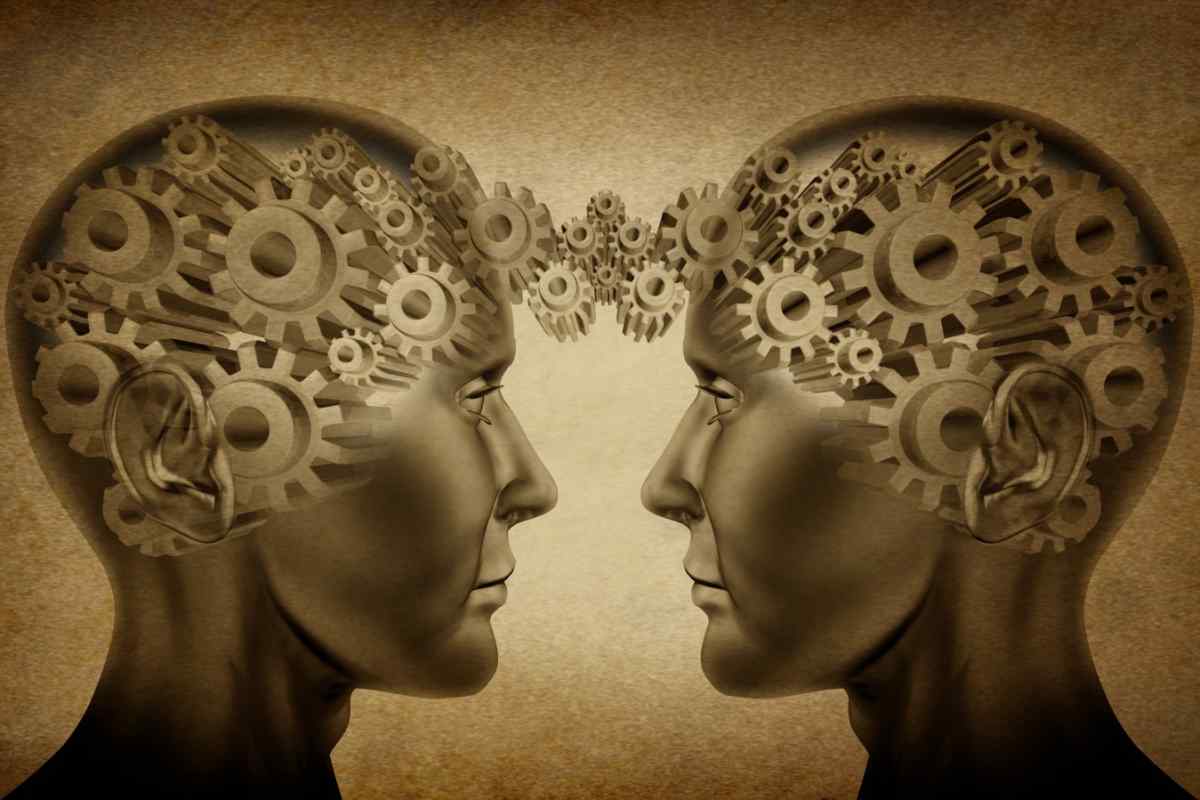
Technology, crises, war, artificial intelligence, and emerging markets — all of these factors are reshaping how we must act. Action is a derivative of thought. Thought is the result of thinking.
In conditions of extreme uncertainty and constant change, the key managerial competency is no longer a set of skills, but a way of thinking that enables action when there are no ready-made answers.
During this session, Natalia Kadia will explore how leaders, entrepreneurs, and professionals can work with their thinking in an environment of ongoing uncertainty.
During the talk, you will learn:
How the brain reacts to uncertainty — and why even experienced leaders begin making short-term decisions.
Which cognitive traps intensify during times of change: loss aversion, choice overload, and the illusion of control.
Why adaptability is the result of the right architecture of thinking, not merely personal resilience.
Which types of thinking will define professional competitiveness over the next 5–10 years.
This is a conversation for those who work with decisions, people, and the future — in business, the public sector, education, and entrepreneurship.